How Ranthambore Became India's Most Famous Tiger Reserve
Introduction
But what makes Ranthambore so special compared to other tiger reserves in India? The answer lies in its rich history, successful conservation efforts, unique landscape, and legendary tigers that have captured the imagination of people worldwide.
In this article, we explore how Ranthambore became India’s most celebrated tiger reserve and a global wildlife destination.
The Early History of Ranthambore
The Role of Project Tiger
Project Tiger played a crucial role in transforming Ranthambore into a conservation success story.
The initiative focused on:
- Protecting tiger habitats
- Preventing poaching
- Strengthening wildlife monitoring
- Restoring prey populations
- Reducing human-wildlife conflict
Over the years, these efforts helped stabilize and increase tiger numbers within the reserve.
Today, Ranthambore is considered one of India’s most successful examples of tiger conservation.
A Unique Landscape Unlike Any Other
One of the biggest reasons behind Ranthambore’s popularity is its extraordinary landscape.
The park combines:
- Dry deciduous forests
- Rocky hills
- Open grasslands
- Ancient ruins
- Scenic lakes
This diverse terrain creates ideal conditions for wildlife viewing.
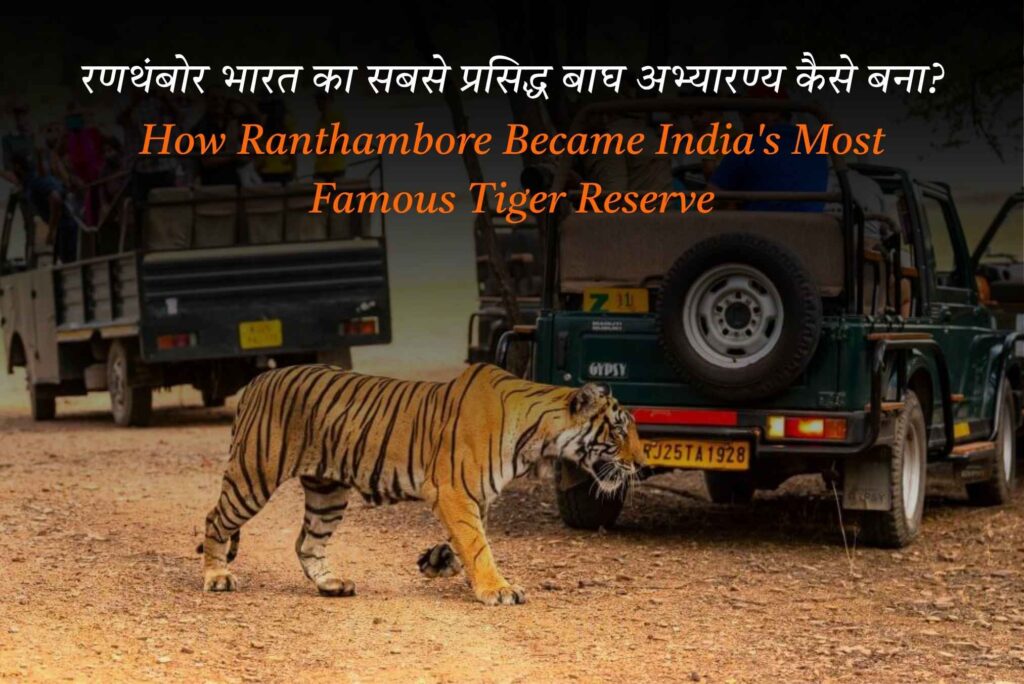
Unlike dense forests found in many other reserves, Ranthambore offers relatively open habitats, making tiger sightings more frequent and photography opportunities exceptional.
The Famous Tigers of Ranthambore
Ranthambore’s fame is closely tied to its legendary tigers.
Several individuals became international wildlife icons, including:
Machli – The Queen of Ranthambore
Perhaps the most famous tigress in the world, Machli became a symbol of wildlife conservation. Her remarkable hunting skills and long life attracted filmmakers and photographers from across the globe.
Krishna
The daughter of Machli, Krishna continued her mother’s legacy and produced several successful litters that helped strengthen the tiger population.
Arrowhead
Known for her striking appearance and impressive territory, Arrowhead became one of the most photographed tigresses in India.
Riddhi
Today, Riddhi is among the most recognized tigresses in Ranthambore. Her successful motherhood and regular sightings have made her a favorite among safari visitors.
These iconic tigers have significantly contributed to Ranthambore’s global reputation.
Why Tiger Sightings Are So Good
Many visitors choose Ranthambore because it offers some of the best tiger sighting opportunities in India.
Reasons include:
- Healthy tiger population
- Open terrain
- Experienced forest guides
- Well-managed safari zones
- Abundant prey species
While tiger sightings can never be guaranteed, Ranthambore consistently ranks among the top destinations for observing wild Bengal Tigers.
A Paradise for Wildlife Photographers
Wildlife photographers consider Ranthambore one of India’s premier photography destinations.
Popular subjects include:
- Bengal Tigers
- Leopards
- Sloth Bears
- Marsh Crocodiles
- Sambar Deer
- Nilgai
- Hundreds of bird species
The combination of wildlife, lakes, ancient ruins, and dramatic landscapes creates unforgettable photographic opportunities.
Tourism and Local Impact
Ranthambore’s popularity has generated significant benefits for local communities.
Wildlife tourism supports:
- Hotels and resorts
- Safari operators
- Local guides
- Transportation services
- Conservation awareness
The reserve demonstrates how wildlife conservation and sustainable tourism can work together to support both nature and local livelihoods.
Challenges Facing Ranthambore
Despite its success, Ranthambore faces several ongoing challenges:
Habitat Pressure
Growing tiger populations require larger territories.
Human-Wildlife Conflict
Tigers occasionally move beyond park boundaries, creating conflicts with nearby communities.
Tourism Management
Balancing tourism growth with conservation remains a constant challenge.
Climate Change
Changing weather patterns may affect habitats and prey availability in the future.
Effective management will be essential to preserving Ranthambore’s success for future generations.
The Future of Ranthambore
Conservation authorities continue to strengthen protection measures while expanding wildlife corridors and monitoring tiger movements.
The future of Ranthambore depends on:
- Continued conservation efforts
- Community participation
- Responsible tourism
- Scientific wildlife management
If these efforts continue, Ranthambore will remain a global symbol of tiger conservation success.
Conclusion
Ranthambore’s journey from a royal hunting ground to India’s most famous tiger reserve is a remarkable conservation story. Its unique landscapes, thriving tiger population, iconic tigers like Machli, Arrowhead, Krishna, and Riddhi, along with successful wildlife management, have made it a dream destination for nature lovers worldwide.
Today, Ranthambore stands not only as a premier wildlife tourism destination but also as proof that dedicated conservation efforts can help protect one of the world’s most magnificent predators—the Bengal Tiger.