The Divine Legends of Ranthambore: History of Trinetra Ganesh Temple
When we think of Ranthambore, the first images that come to mind are majestic Bengal tigers roaming through dry deciduous forests and the rugged cliffs of ancient hills. However, deep within the heart of this wild terrain, perched atop the UNESCO World Heritage Site of Ranthambore Fort, lies a spiritual anchor that predates the national park’s fame—the Trinetra Ganesh Ji Temple.
While thousands of wildlife enthusiasts visit Ranthambore for its safaris, millions of devotees trek up the fort for a glimpse of the unique, three-eyed deity.But how did this temple come to be inside a massive military fortress? Today, let’s dive deep into the fascinating history, war legends, and spiritual myths that surround the ancient Trinetra Ganesh Temple.
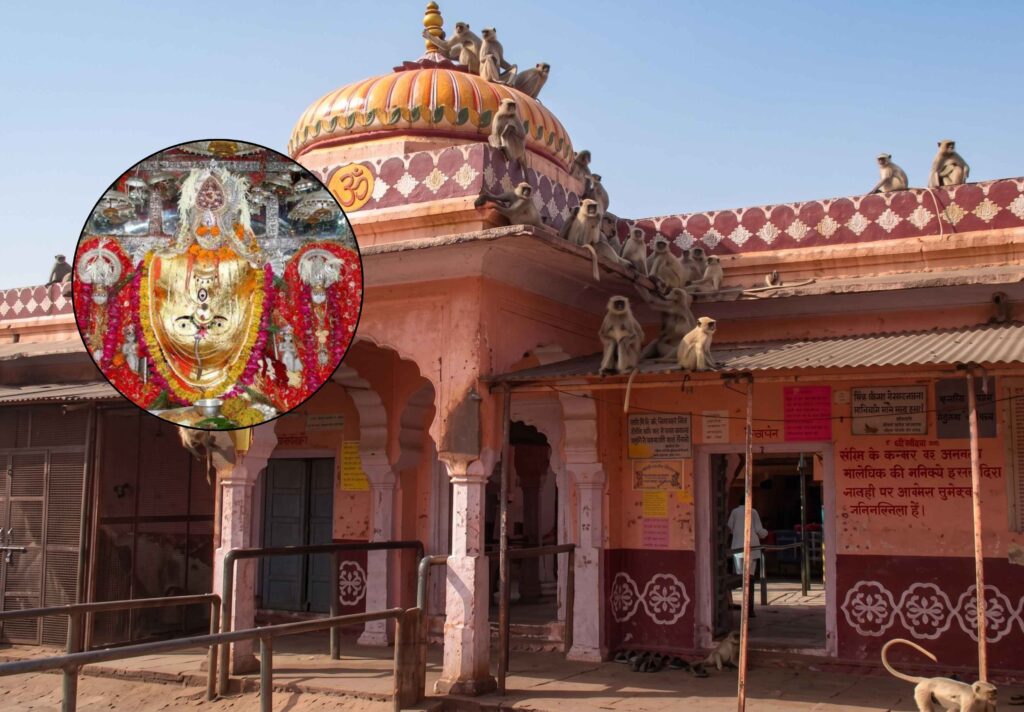
The War of 1300 AD: The Royal Crisis
The historical roots of the temple are closely tied to the legendary ruler of Ranthambore, King Hammeer Dev Chouhan. Around 1300 AD, the fort was under a brutal siege by the forces of the Delhi Sultan, Alauddin Khilji.
The siege lasted for many months, completely surrounding the fortress. Because it was a time of war, the royal granaries and food storage inside the fort were rapidly depleting. King Hammeer Dev was facing a dual crisis: a ruthless enemy outside the walls and the threat of starvation for his people inside.
Being a devout believer, the King prayed intensely to Lord Ganesha to find a solution to this seemingly hopeless situation
The siege lasted for many months, completely surrounding the fortress. Because it was a time of war, the royal granaries and food storage inside the fort were rapidly depleting. King Hammeer Dev was facing a dual crisis: a ruthless enemy outside the walls and the threat of starvation for his people inside.
Being a devout believer, the King prayed intensely to Lord Ganesha to find a solution to this seemingly hopeless situation
A Divine Dream and an Unexplained Miracle
The legend goes that one night, as the King fell into a restless sleep, Lord Ganesha appeared in his dream. The deity assured the King that his troubles would soon come to an end and that he should not lose hope.The very next morning, an incredible miracle unfolded. The fortress walls suddenly revealed an embossed image of Lord Ganesha featuring three eyes (Trinetra). Almost simultaneously, the long-standing war came to an unexpected end, and the food supplies in the fort were miraculously replenished.
Overwhelmed by gratitude and recognizing the divine intervention, King Hammeer Dev Chouhan ordered the construction of a proper temple around the self-manifested idol in 1300 AD.
Overwhelmed by gratitude and recognizing the divine intervention, King Hammeer Dev Chouhan ordered the construction of a proper temple around the self-manifested idol in 1300 AD.
The Mystery of the 'Trinetra' (The Three Eyes)
In Hindu iconography, the third eye is almost exclusively associated with Lord Shiva, representing supreme wisdom, destruction of evil, and cosmic vision. However, Ranthambore is the rare place where Lord Ganesha is worshipped in his Trinetra form.
According to local folklore and Vedic belief, the three eyes of Ganesha in this temple represent:
The Past, Present, and Future: Showing his absolute authority over time.
Gyan (Knowledge), Buddhi (Intellect), and Viveka (Wisdom).
Furthermore, this is one of the very few temples where Lord Ganesha is not alone; he is seated with his entire divine family—his two wives, Riddhi and Siddhi, and his two sons, Shubh and Labh, alongside his vehicle, the mouse (Mushaka).
A Living Heritage
Centuries have passed since King Hammeer Dev ruled Ranthambore, and the fort now stands as a beautiful ruin reclaimed by the jungle. Yet, the spiritual flame lit in 1300 AD burns brighter than ever.
Every day, local villagers, wildlife trackers, and travelers from across the globe climb the cobblestone steps of the fort, walking past langurs and historical battlements, to pay respects to the guardian deity of the forest. It stands as a timeless reminder that in India, history, nature, and spirituality are forever intertwined.
Every day, local villagers, wildlife trackers, and travelers from across the globe climb the cobblestone steps of the fort, walking past langurs and historical battlements, to pay respects to the guardian deity of the forest. It stands as a timeless reminder that in India, history, nature, and spirituality are forever intertwined.
Plan Your Spiritual Journey with Exploravelia Wild
Ready to explore the history carved into the stones of Ranthambore? At Exploravelia Wild, we curate seamless travel experiences that blend thrilling wildlife safaris with rich cultural heritage walks through the Ranthambore Fort.