Ranthambore Fort: History Behind India’s Most Photographed Tiger Territory
Introduction
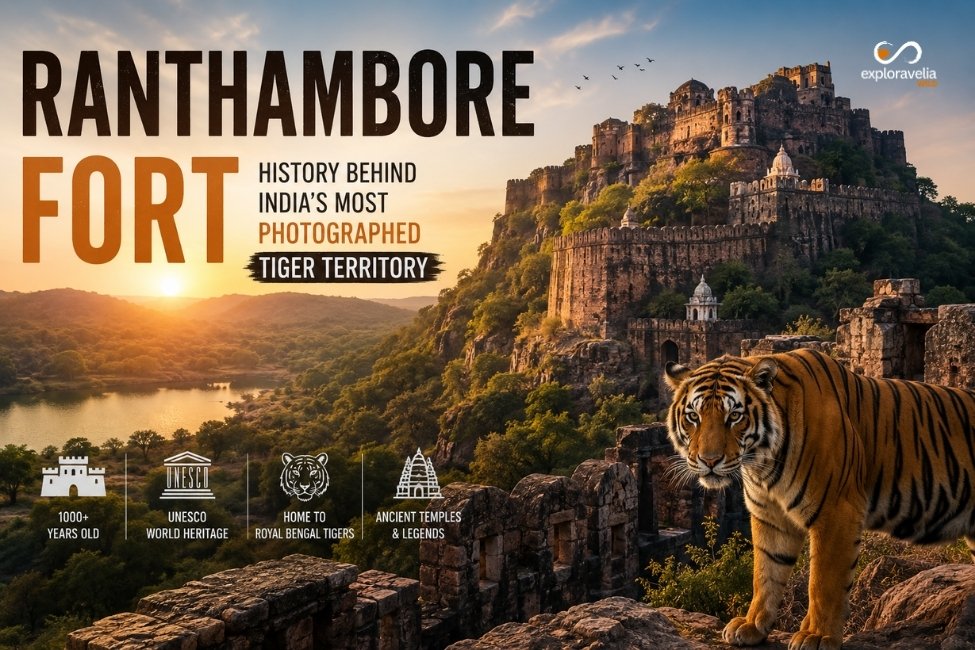
When people think of Ranthambore National Park, they usually imagine tigers walking beside ancient ruins, lakes reflecting the jungle, and dramatic safari photographs. At the heart of this landscape stands the magnificent Ranthambore Fort, a fortress that has watched over the forests of Rajasthan for more than 1,000 years.
Perched on a hill about 700 feet above the surrounding plains, the fort is not just a historical monument—it is the reason why Ranthambore is considered India’s most photographed tiger territory. The combination of wildlife and medieval architecture creates a setting found nowhere else in the country.
In this article, we’ll explore the history, architecture, legends, and modern significance of Ranthambore Fort.
Where Is Ranthambore Fort Located?
Ranthambore Fort, located in Sawai Madhopur district of Rajasthan, lies inside Ranthambore National Park itself.
Unlike most Indian forts that stand near cities, this fort is surrounded by dense forest, lakes, and wildlife.
This unique location once gave the rulers a major military advantage and today offers visitors a rare chance to experience history and wilderness together.
The Origins of Ranthambore Fort (10th Century)
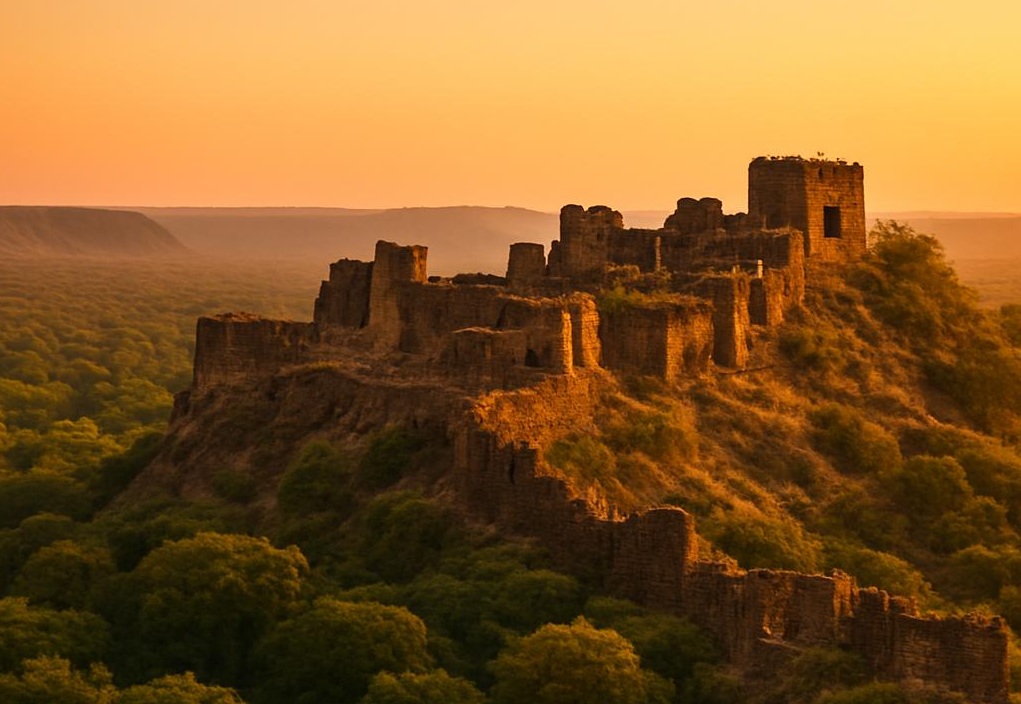
Historians believe the fort was built around the 10th century CE by the Chauhans (Chahamanas), the powerful Rajput dynasty that ruled parts of present-day Rajasthan.
The name “Ranthambore” is derived from two words:
Ran – battle
Thambore (or Thambhor) – a steep hill
So, Ranthambore literally means “the hill of battles.”
The fort became an important strategic center because it controlled trade routes connecting North India with Central and Western India.
The Golden Era of the Chauhans
During the reign of the Chauhan rulers, especially Rao Hammir Dev Chauhan (1283–1301 CE), Ranthambore reached the height of its power.
Hammir Dev is remembered as one of the bravest Rajput kings. He resisted the expansion of the Delhi Sultanate and turned Ranthambore into a symbol of Rajput resistance.
Why Was the Fort Considered Unconquerable?
Built on a steep hill
Massive stone walls
Narrow access routes
Natural cliffs on several sides
Excellent views of the surrounding forest and plains
For many years, enemy armies found it extremely difficult to capture the fort.
Alauddin Khilji’s Siege (1301 CE)
The most famous chapter in Ranthambore’s history is the siege by Sultan Alauddin Khilji of Delhi.
After a long and intense battle, the fort finally fell in 1301 CE. According to historical accounts, the Rajputs fought until the end, and many women performed Jauhar (self-sacrifice) to avoid capture.
This event became one of the most celebrated stories of Rajput courage and sacrifice.
Even today, local guides narrate the legends of Hammir Dev during fort tours.
Mughal Rule and Later History
After changing hands several times, the fort eventually came under the control of the Mughals in the 16th century.
The Mughal emperors used Ranthambore primarily as:
a military outpost,
a hunting retreat,
and a regional administrative center.
Over time, its military importance declined, and the surrounding forests gradually reclaimed much of the landscape.
UNESCO World Heritage Status
In 2013, Ranthambore Fort was included in the UNESCO World Heritage Site list as part of the Hill Forts of Rajasthan.
The UNESCO group includes six major forts:
Fort | Location |
|---|---|
Ranthambore Fort | Sawai Madhopur |
Chittorgarh Fort | Chittorgarh |
Kumbhalgarh Fort | Rajsamand |
Jaisalmer Fort | Jaisalmer |
Amber Fort | Jaipur |
Gagron Fort | Jhalawar |
This recognition highlights the fort’s outstanding example of Rajput military hill architecture and its integration with the natural landscape.
Architectural Highlights
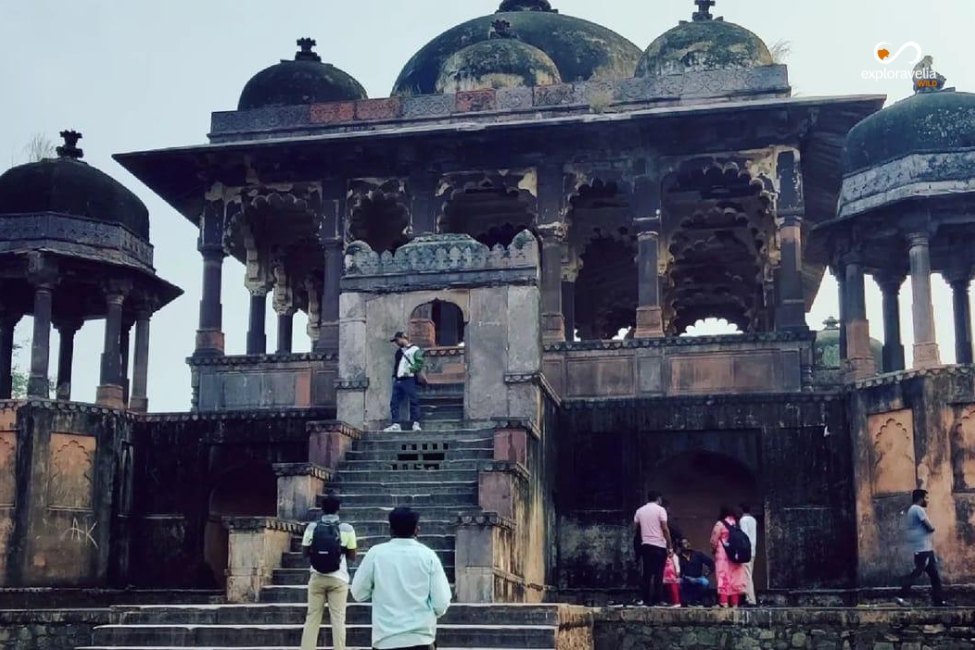
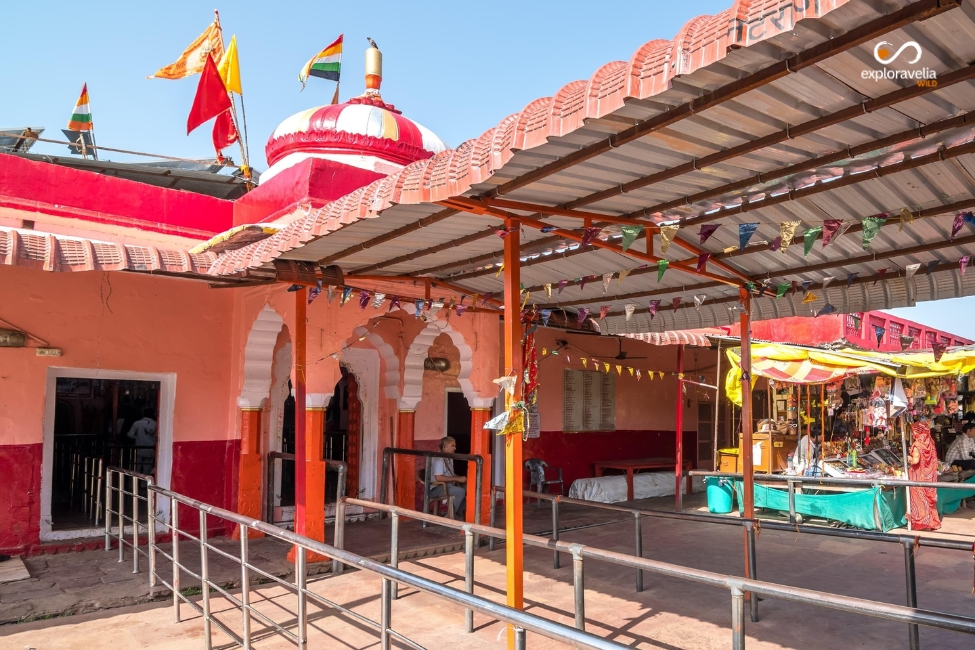
Ranthambore Fort covers a large area and contains several remarkable structures.
1. Massive Gates
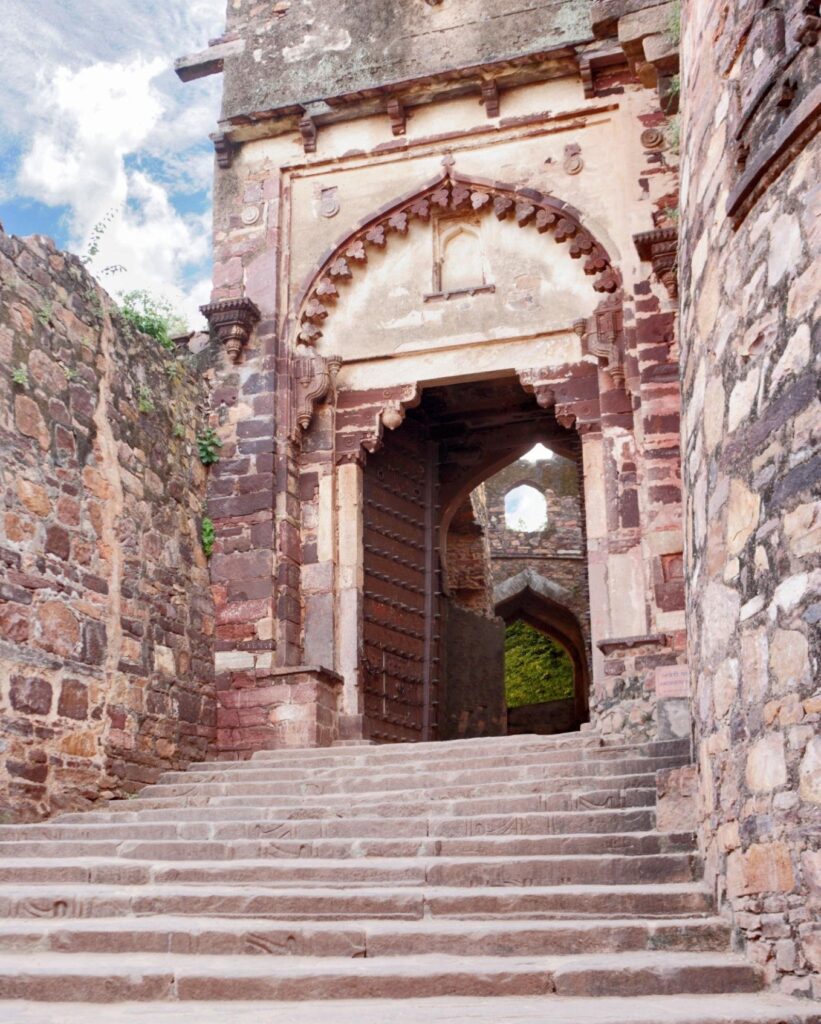
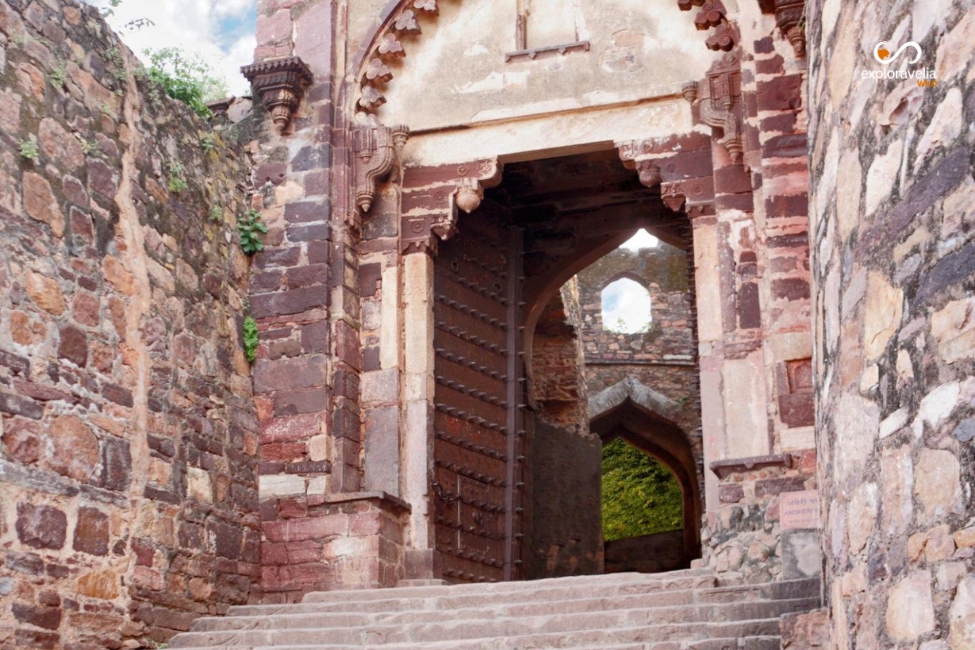
The fort has seven strong gates (pols), including:
Navlakha Pol
Hathi Pol
Ganesh Pol
Andheri Pol
These gates were designed to slow down invading armies.
2. Temples
The most famous is the Trinetra Ganesh Temple, one of the oldest Ganesh temples in Rajasthan. Thousands of devotees visit it every year.
Other temples include:
Shiva temples
Jain temples
Ramlalaji temple
3. Water Reservoirs
The fort contains ancient tanks, stepwells, and reservoirs that stored rainwater for long sieges. This water-management system was a masterpiece of medieval engineering.
Why Is Ranthambore Called India’s Most Photographed Tiger Territory?
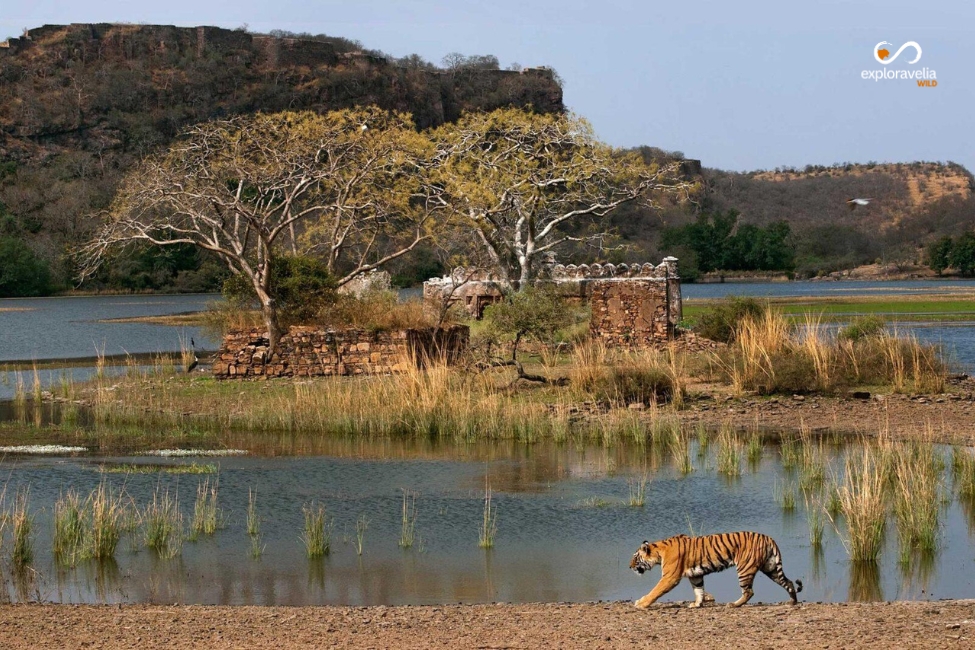
Photographers from around the world come to capture images of:
tigers walking near ancient walls,
leopards resting among ruins,
langurs sitting on temple domes,
and sunsets behind the fort ramparts.
Famous tigresses such as Machli, Arrowhead, Riddhi, and Siddhi have often been photographed in landscapes dominated by the fort’s silhouette.
This fusion of wildlife and history is what makes Ranthambore visually unique among all Indian tiger reserves.
The Fort’s Connection With Tigers
Long before wildlife tourism existed, the forests around Ranthambore were royal hunting grounds for the rulers of Jaipur.
After independence, hunting was banned, and the area became:
1955: Sawai Madhopur Game Sanctuary
1973: Included in Project Tiger
1980: Declared Ranthambore National Park.
The fort, once a symbol of royal power, became part of a protected tiger habitat.
Best Time to Visit Ranthambore Fort
Season | Experience |
|---|---|
October – February | Pleasant weather, ideal for fort exploration |
March – April | Good wildlife sightings and moderate heat |
May – June | Excellent tiger sightings but very hot |
July – September | Monsoon greenery; some safari zones may close |
How to Reach the Fort
By Air
Jaipur International Airport – about 180 km
By Train
Sawai Madhopur Railway Station – about 13 km
By Road
Jaipur to Ranthambore: 3.5–4 hours
Delhi to Ranthambore: 6–7 hours
The fort can be visited by road from the park entrance, and a short uphill walk is required to reach the main complex.
Travel Tips
Wear comfortable walking shoes.
Carry water, especially in summer.
Start early morning for cooler temperatures and better photography light.
Respect temple customs if visiting Trinetra Ganesh Temple.
Do not feed monkeys or other wildlife around the fort.
Final Thoughts
Ranthambore Fort is far more than an ancient ruin. It is a place where Rajput history, UNESCO heritage, and tiger wilderness come together in one extraordinary landscape.
Standing on its ramparts, you can look across the same forests where medieval armies once marched and where Bengal tigers now roam freely. Few destinations in India offer such a powerful connection between the past and the wild.
For travelers, photographers, and wildlife lovers, the fort is not just a stop during a safari—it is the soul of Ranthambore.
Frequently Asked Questions (FAQ)
Who built Ranthambore Fort?
Ranthambore Fort was built by the Chauhan Rajputs around the 10th century CE.
Is Ranthambore Fort a UNESCO World Heritage Site?
Yes. It was declared a UNESCO World Heritage Site in 2013 as part of the Hill Forts of Rajasthan.
Can you visit the fort during a safari?
Yes. The fort is accessible from within the Ranthambore area, but it is usually visited separately from the regular tiger safari route.
Why is Ranthambore famous for photography?
Ranthambore is famous because tigers are often photographed with ancient fort ruins, lakes, and forest backdrops, creating some of the most iconic wildlife images in India.