Why Wildlife Conservation Important
Introduction
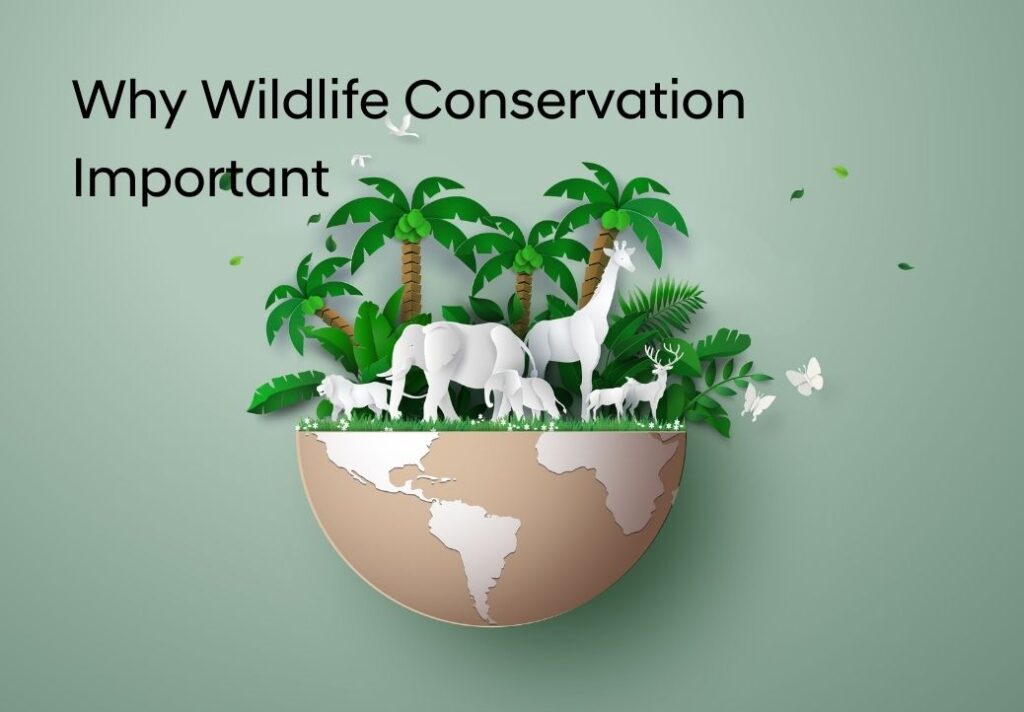
Definition of Wildlife
Animals who live in a wild environment can be called wild animals, which are also referred to as “wildlife” in the modern world.
Wildlife or wild animals are precious gifts of nature for human beings. So, it is essential to conserve them for the coming generations
Definition of Wildlife Conservation
Wildlife conservation is not just a concern for environmentalists; it affects us all. From clean air and water to climate regulation and economic stability, protecting wildlife is crucial for a sustainable future.
Wildlife conservation is a combination of actions aimed at protecting endangered and threatened animal species, preserving their natural habitats, and promoting sustainable practices
Why Wildlife Conservation is Essential
Climate change, habitat destruction, and human-wildlife conflict are all putting stress on our ecosystems and pushing more and more animals toward extinction. That’s why we need wildlife conservation efforts to protect our planet and safeguard biodiversity
1. Biodiversity: The Web of Life
2. Ecosystem Services: Nature’s Free Benefits
Wildlife and natural habitats provide essential services that often go unnoticed. Forests act as the lungs of our planet, absorbing carbon dioxide and producing oxygen. Wetlands filter water, preventing floods and droughts. Mangroves protect coastal communities from storms and erosion. When we protect wildlife, we are also protecting these invaluable natural services that sustain life on Earth.
3. Human Well-being: How Conservation Helps Us
Wildlife Conservation and its Importance
*Stable ecosystems
Ecosystems are intricate networks where each species plays a specific role. The loss of even a single species can have cascading effects, disrupting food chains, altering nutrient cycles, and destabilising entire ecosystems. By conserving wildlife, we uphold the integrity of these ecosystems, promoting resilience and biodiversity
*Benefits to the climate
*Wildlife provides nutrients to humans
*Diversity means healthier ecosystems
*Ecological balance
*Preserving biodiversity
*Protecting forests
*Wildlife charities
*Aesthetic benefits
*Agricultural importance
*Economic benefits
*Habitat maintenance
*Cultural significance
*Improving soil health and fertility
*Learn about sustainability
*Mental health benefits of nature
*Our ancient bond to wild animals
*Preserves heritage and culture
*Medicinal significance
*Save wildlife grow plants
*Saving human life
*Visit wildlife conservation areas
*Wildlife has cultural significance
*Wildlife Conservation Aims
*Preserve habitats
1. Mitigating climate change
Our oceans, forests, and marshlands act as carbon sinks that sequester vast amounts of carbon dioxide from the atmosphere, with many animals also playing this same role. Additionally, many animals act as ecosystem engineers, altering the environment around them through their natural behaviours and allowing ecosystems to flourish.
2. Preserving biodiversity
3. Ensure sustainable use of natural resources
4. Educate communities about the importance of wildlife
5. Allow communities and wildlife to coexist peacefully
Current Threats to Wildlife
Despite its importance, wildlife is facing an unprecedented crisis. Human activities are pushing many species to the brink of extinction. Here are some of the biggest threats:
1. Habitat Destruction: The Disappearing Wild
2. Poaching and Illegal Wildlife Trade
3. Climate Change: A Looming Disaster
4. Human-Wildlife Conflict
As human settlements expand into wildlife territories, encounters between people and animals are becoming more frequent. Elephants raid crops, leopards enter villages, and tigers venture close to human habitats. This often leads to retaliation killings, further endangering already vulnerable species.
Conservation Efforts : Protecting Wildlife for the Future
Despite the challenges, numerous conservation initiatives worldwide are making a difference. Governments, organizations, and communities are working together to protect endangered species and restore ecosystems. Here are some key efforts:
1. Protected Areas and Wildlife Sanctuaries
2. Anti-Poaching Laws and Wildlife Protection Acts
3. Community-Based Conservation
4. Species-Specific Conservation Programs
Several species have been brought back from the brink of extinction through focused conservation programs. The Project Tiger initiative in India has helped increase tiger numbers significantly. Similarly, the Indian Rhino Vision 2020 aimed at increasing rhino populations in Assam’s Kaziranga National Park.
5. Global Conservation Efforts
What Can Be Done: How Everyone Can Help
Wildlife conservation is not just the responsibility of governments and organizations—it requires collective action. Here’s how different groups can contribute:
1. What Individuals Can Do
Reduce Plastic Use: Plastic pollution harms marine life and ecosystems. Use reusable bags, bottles, and containers.
Be a Responsible Tourist: Avoid attractions that exploit animals (e.g., elephant rides) and choose ethical wildlife tourism.
Spread Awareness: Educate others about the importance of conservation through social media, blogs, or community events.
2. How Communities Can Help
Promote Coexistence: Support initiatives that reduce human-wildlife conflict, such as better livestock management and using wildlife corridors.
Encourage Eco-Friendly Farming: Sustainable agriculture can protect habitats while ensuring food security.
3. Role of Policymakers and Governments
Expand Protected Areas: Increase the number of national parks and reserves while ensuring their proper management.
Invest in Conservation Research: Support scientific studies that help in wildlife monitoring and habitat restoration.
4. The Power of Global Action
Push for Climate Action: Addressing climate change is key to long-term conservation. Advocate for policies that reduce carbon emissions and promote renewable energy. Encourage Ethical Businesses: Support companies that prioritize sustainability and oppose industries that exploit wildlife.
Conclusion:
The good news is that conservation efforts have shown remarkable success when people take action. Tigers, rhinos, and other endangered species have made comebacks thanks to dedicated efforts. But there is still much to be done.
Wildlife conservation is essential to maintain the balance of the ecosystem. It is necessary to protect the rare and extinct species of animals. The life of human beings without wildlife is impossible on Earth and therefore, wildlife conservation is very significant.
As individuals, communities, and policymakers, we all have a role to play. Whether it’s through small lifestyle changes, supporting conservation initiatives, or advocating for stronger policies, every effort counts. The time to act is now—because once a species is lost, it is gone forever.
Let’s protect wildlife, not just for their sake, but for ours and for future generations.