
Ranthambore National Park
Plan Your Safari
Ranthambore National Park: A Blend of Wilderness and Heritage
A Glimpse of Ranthambore
Spread across 1,334 sq. km, Ranthambore lies in the heart of Rajasthan with rugged hills, dry forests, and open grasslands that create a raw yet breathtaking landscape. The hardy dhok trees dominate the region, while fruit-bearing trees like mango, jamun, and ber provide food and shade for the wildlife.
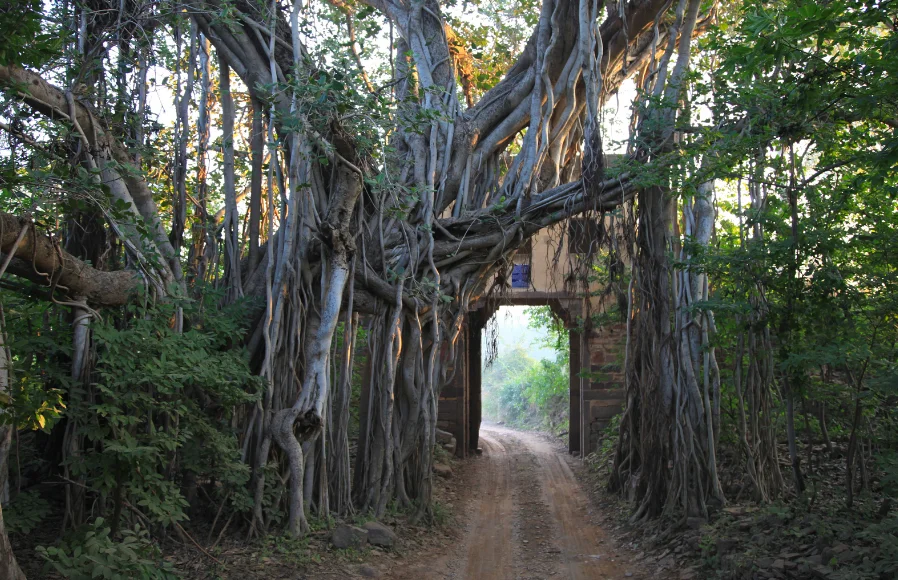
At the center stands the Ranthambore Fort, a reminder of the region’s glorious past. Ancient temples, old water tanks, and palace ruins blend with nature, giving the park a rare mix of history and wilderness.
Wildlife and Biodiversity
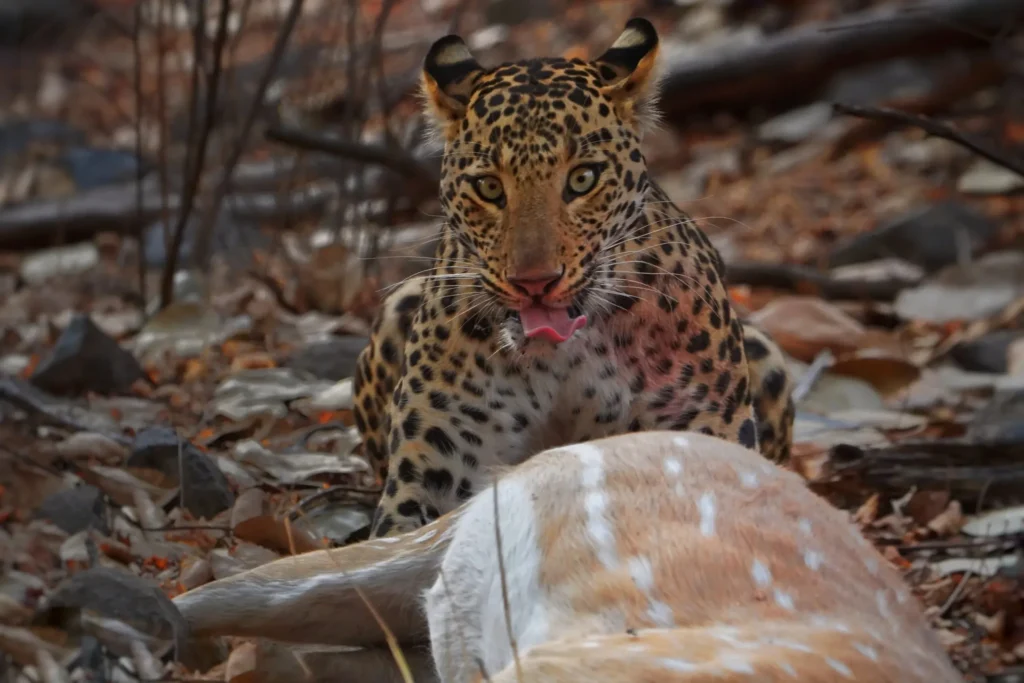
Wildlife and Biodiversity
Ranthambore is world-famous for its tigers, but it is also home to:
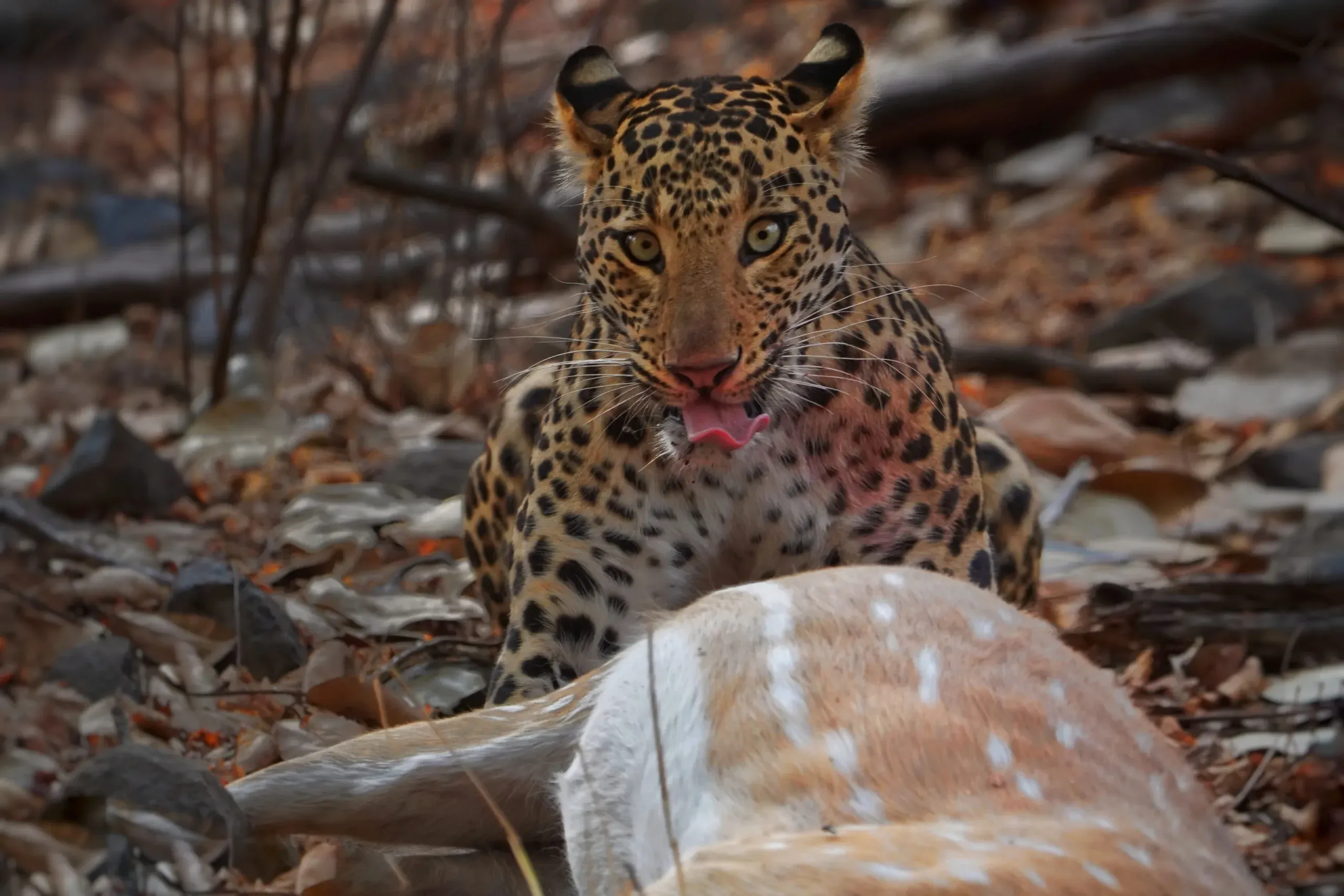
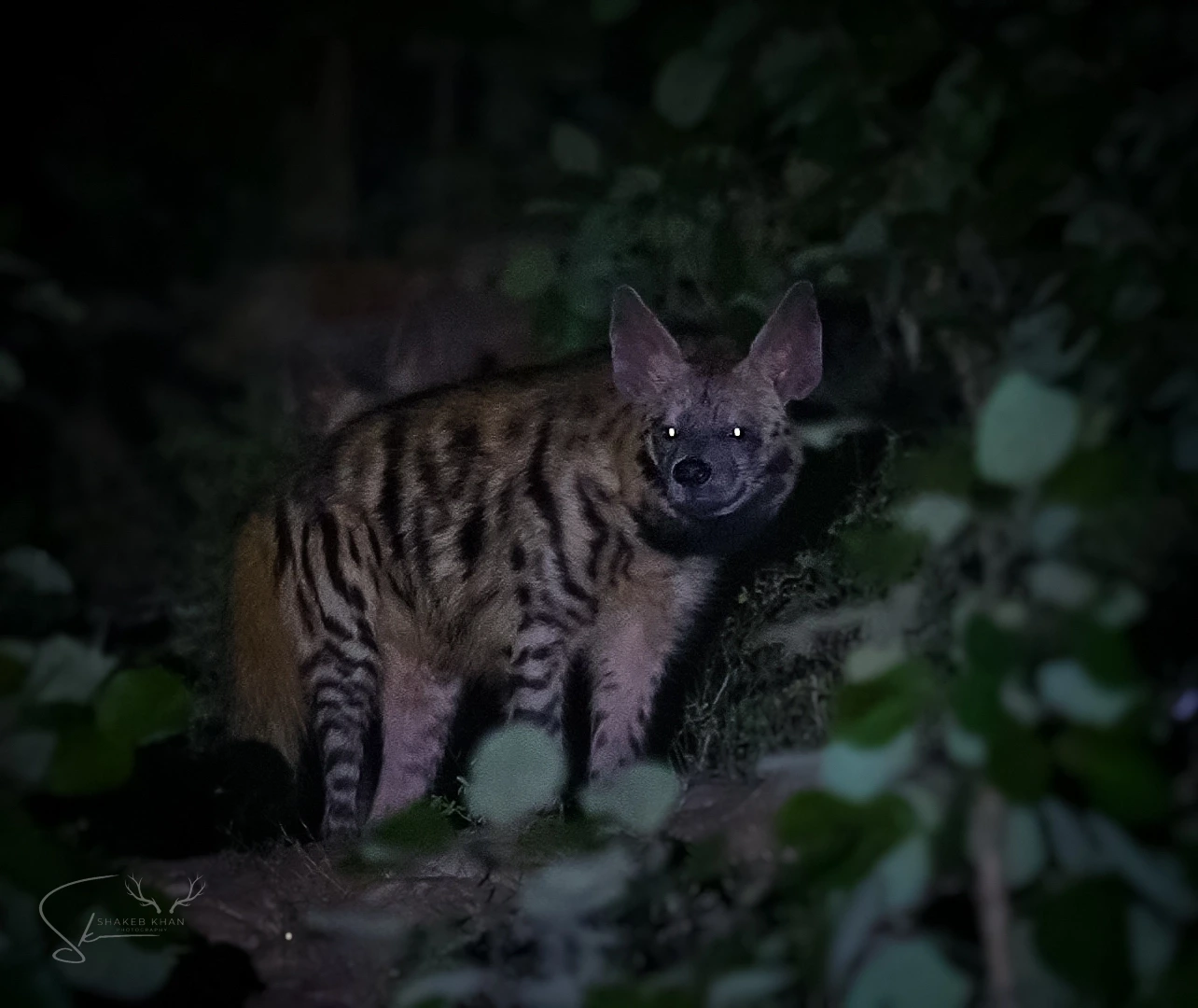
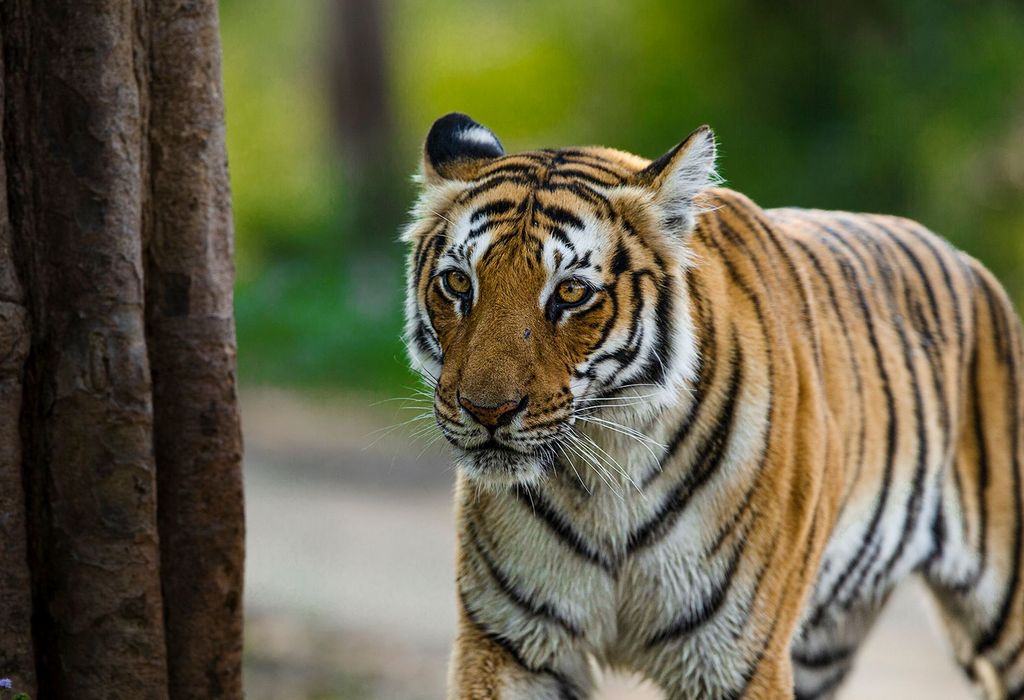
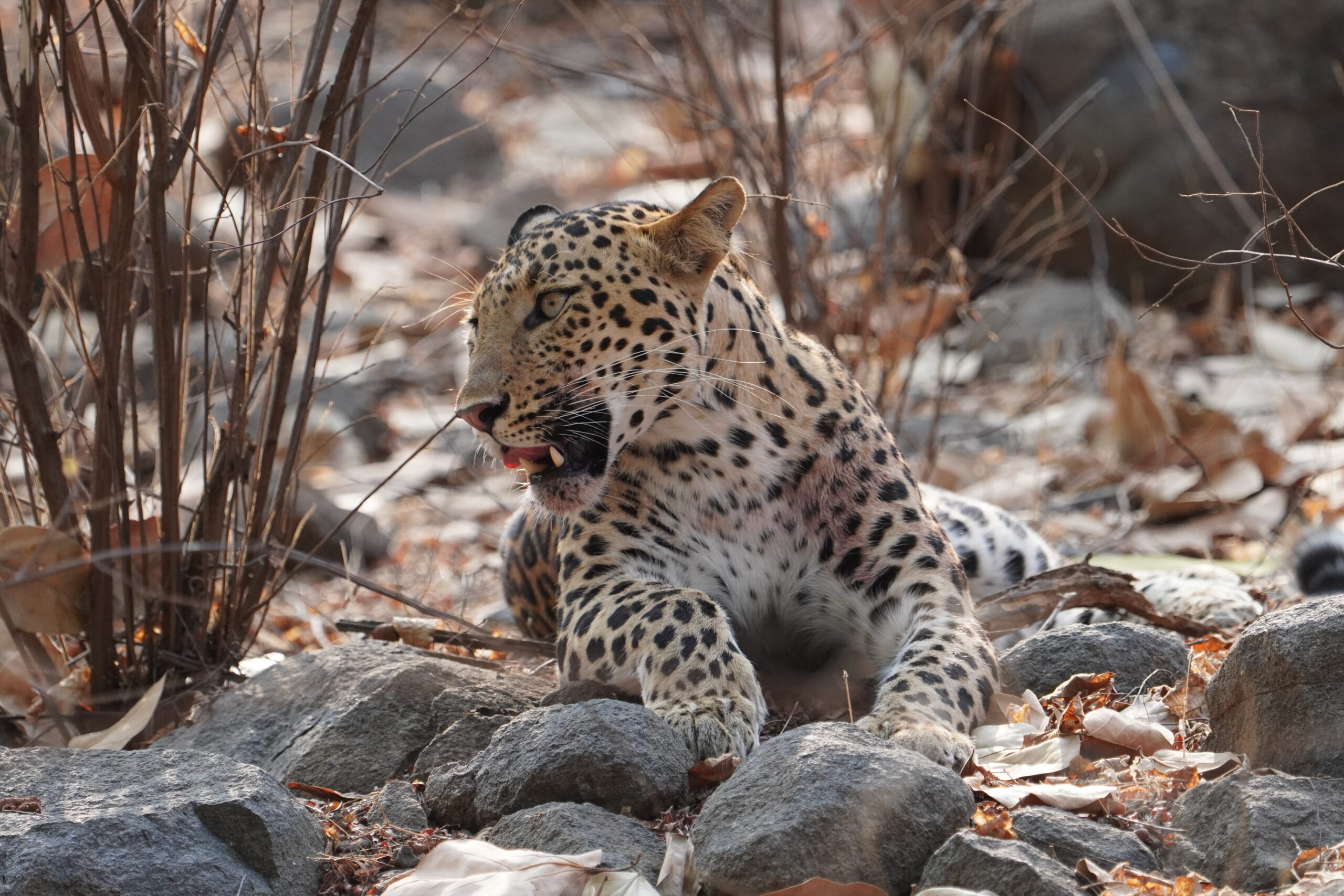
Tigers and leopards, the true rulers of this land
Deer species such as chital, sambar, and nilgai
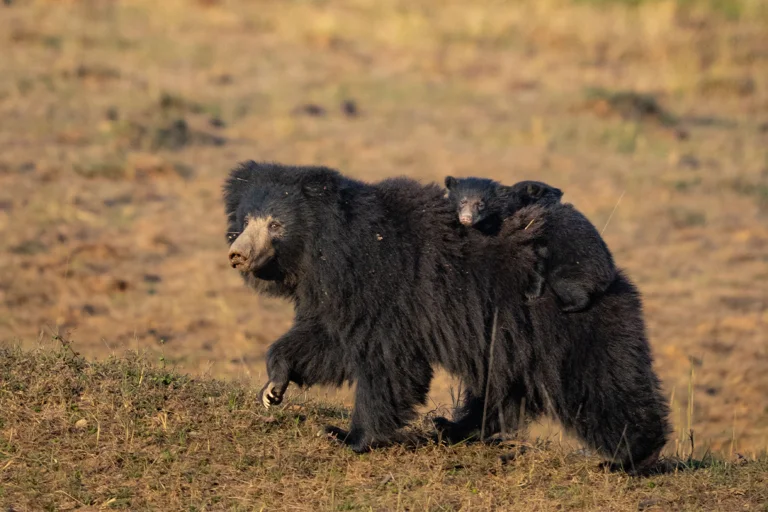
Marsh crocodiles, wild boars, jackals, and many smaller mammals
More than 300 species of birds, from resident peacocks to migratory birds like herons and storks
The Landscape of Ranthambore
The landscape of Ranthambore is a striking mix of dry deciduous forests, open grasslands, rocky hills, and ancient lakes. The rugged Aravalli and Vindhya mountain ranges cross through the park, creating steep cliffs and deep valleys. Scattered ruins, stone watchtowers, and the grand Ranthambore Fort add a touch of history to the wild scenery. From golden grass fields to dense clusters of dhok trees, the park’s changing terrain offers a perfect backdrop for spotting wildlife and capturing stunning photographs.



About Ranthambore
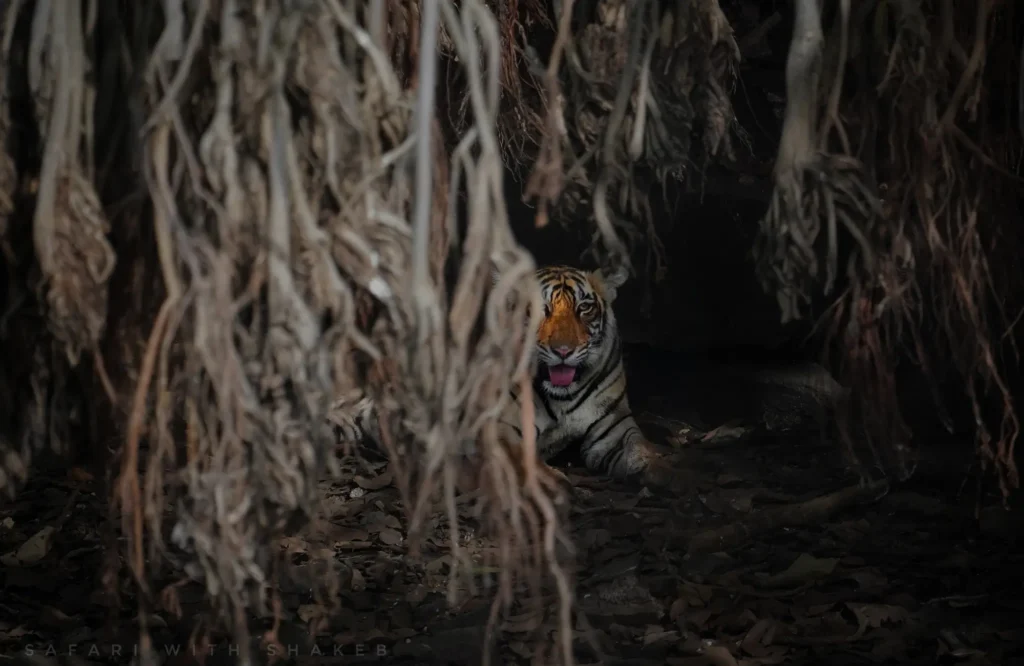
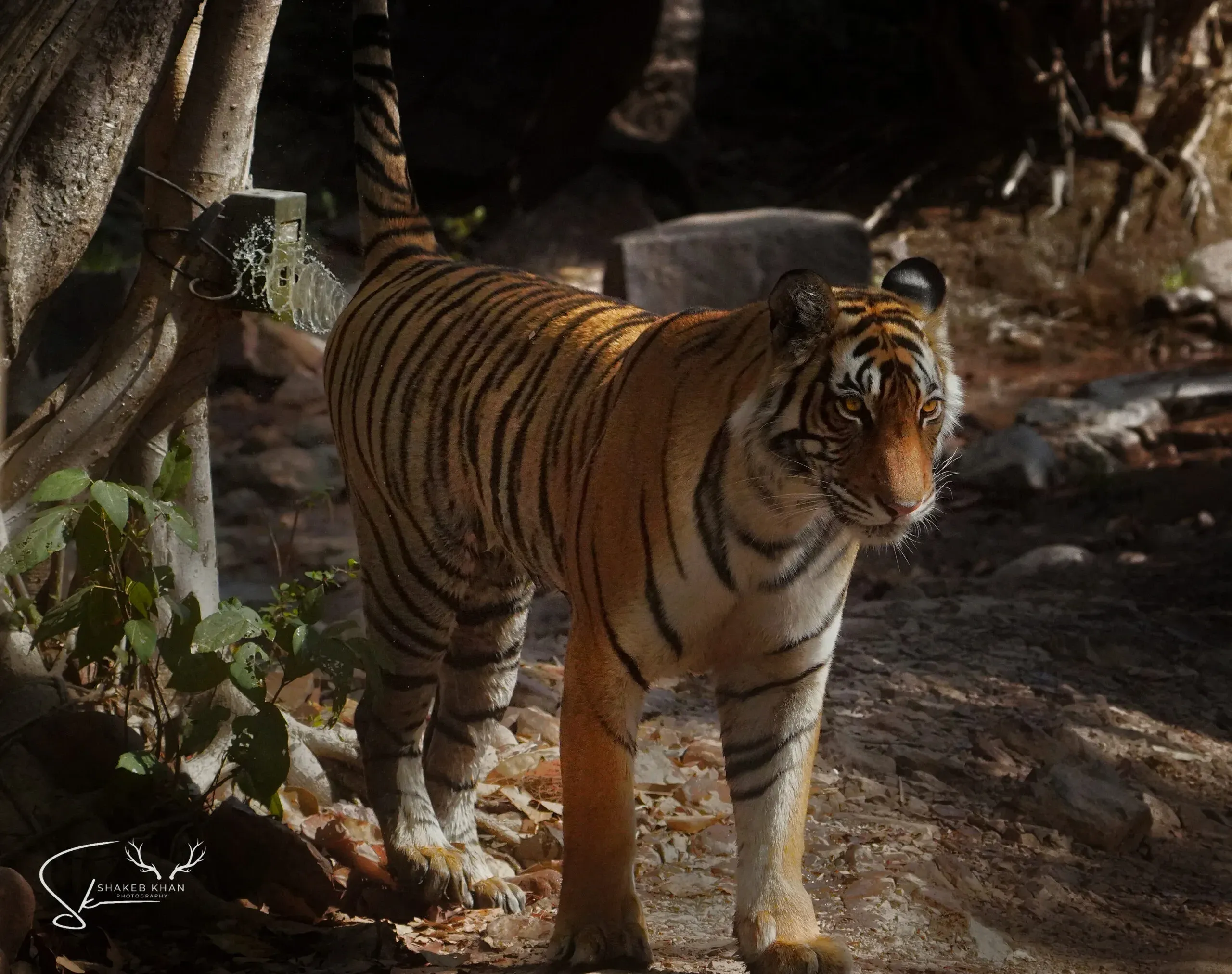
Ranthambore National Park covers an expanse of about 392 sq. km, along with the adjoining Mansingh Sanctuary and Kaila Devi Sanctuary. The park is world-famous for its tiger population and is considered one of the best places in India to witness these majestic predators in their natural wild habitat. Unlike many other reserves, tigers here are often seen even during the daytime, either hunting, relaxing, or caring for their cubs.
Apart from its wildlife, Ranthambore is also regarded as a heritage site, thanks to the ancient forts and ruins scattered across the forest. For nature lovers and wildlife enthusiasts, a trip to Ranthambore is truly unforgettable. Watching tigers roam freely, listening to the calls of birds, exploring lush forests, and observing various animals is an experience worth cherishing at least once in a lifetime.
According to the ‘Status of Tigers 2022’ report released by the National Tiger Conservation Authority, India is home to nearly 70% of the world’s tigers, with an estimated population of 3,167. Among the most significant tiger habitats is the Ranthambore Tiger Reserve, which shelters the iconic Bengal Tiger species.
Located in Sawai Madhopur, Rajasthan, Ranthambore Tiger Reserve is one of the largest tiger territories in India. It was first declared a wildlife sanctuary in 1955 and later became one of the country’s leading tiger reserves.
One of the reasons for its popularity is that the tigers here are mostly diurnal — they remain active during the day. Because of their high population and fearless nature, sightings are very common. Visitors often get to see tigers walking through the forest, playing with cubs, or hunting their prey.
Those who wish to observe these magnificent creatures closely should opt for the jungle safari. During the safari, visitors can spot not only tigers but also leopards, hyenas, jungle cats, crocodiles, deer, and a wide variety of birds and reptiles.
Safaris operate twice daily from October to June, except on Wednesdays, and are one of the most popular tourist experiences in Rajasthan.
Ranthambore is also an important part of Project Tiger, launched in 1973 to protect India’s declining tiger population. The project has been highly successful, and Ranthambore stands as a strong example of how conservation efforts can save a species from the brink of extinction.
Things To Do in Ranthambore

Wild Animals
There is a huge variety of wild animals in Ranthambore National Park, including mammals, birds & reptiles.

Birds Watching
Ranthambore National Park is home to a rich variety of birds, thanks to its diverse terrain & numerous water bodies.

Gypsy Safari
A Jeep Safari in Ranthambore is conducted on a 6 seater vehicle, both for morning & evening safaris.

Canter Safari
Canter Safari in Ranthambore National Park is conducted in a 20 seater open bus which operates in some of the safari zones.
Safari Timing
| Month | Morning safari | Evening safari |
|---|---|---|
| 1st Oct to 31st Oct | 06.30 am – 10.00 am | 02.30 pm – 06.00 pm |
| 1st Nov to 31st Jan | 07.00 am – 10.30 am | 02.00 pm to 05.30 pm |
| 1st Feb to 31st march | 06.30 am – 10.00 am | 02.30 pm to 06.00 pm |
| 1st April to 15th May | 06.00 am – 09.30 am | 03.00 pm to 06.30 pm |
| 16th May to 30th June | 06.00 am – 09.30 am | 03.30 pm to 07.00 pm |
Here’s something interesting…
How To Reach ?
AIR
TRAIN
ROAD
Delhi – 6 Hrs
Udaipur – 7 Hrs
Jaipur – 5 Hrs