Why Mobile Phones are Banned in Ranthambore National Park: Everything You Need to Know

Introduction
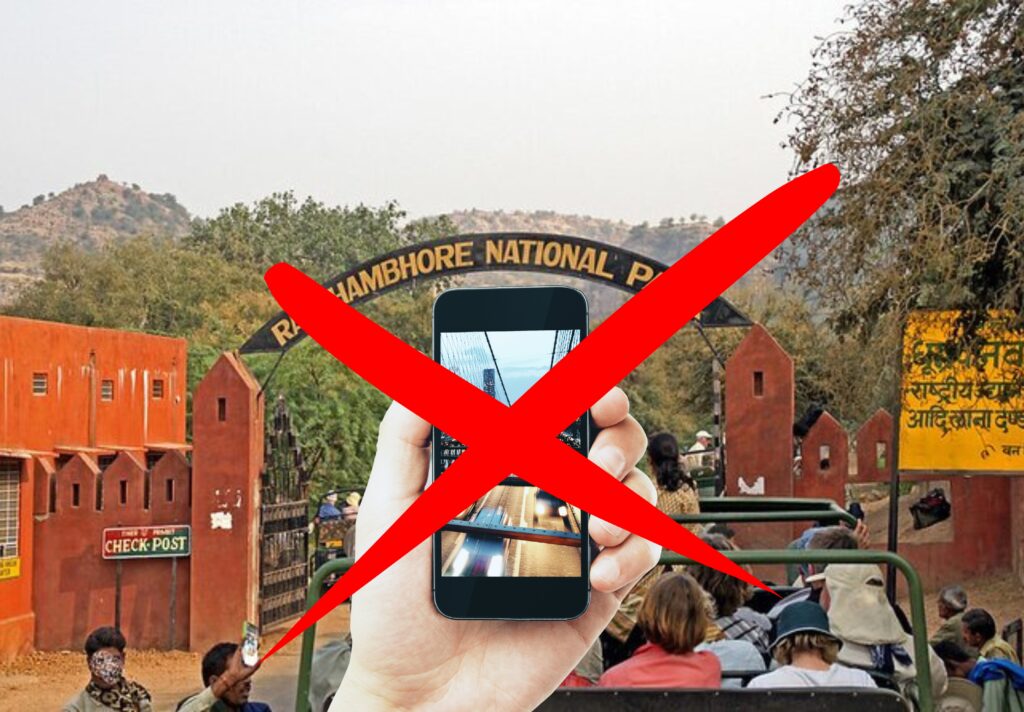
The highlight of India’s tiger reserves, Ranthambore National Park, offers visitors an unadulterated sense of nature rather than only glimpses. Mobile phones are strictly prohibited during safaris, according to a recent directive from the Rajasthan Forest Department. This action is a big step toward ethical wildlife tourism, even though it can seem inconvenient to the modern traveler.
We go into great detail at Exploravelia Wild as to why this ban is crucial to the tigers’ existence and the jungle’s holiness.
We go into great detail at Exploravelia Wild as to why this ban is crucial to the tigers’ existence and the jungle’s holiness.
5 Reasons for the Mobile Phone Ban in Ranthambore
1. Protecting Wildlife Privacy
The primary resident of Ranthambore is the Royal Bengal Tiger. Tigers are sensitive to high-frequency sounds. Loud ringtones, notification pings, or tourists talking loudly on calls disrupt their natural behavior. The ban ensures that the “Silence of the Forest” remains intact.
2. Preventing Overcrowding
Before the ban, the moment a tiger was spotted, its live location was often shared via WhatsApp or calls to other drivers and guides. Within minutes, dozens of gypsies would swarm a single spot, causing immense stress to the animal and “traffic jams” in the wild.
3. Enhancing Security and Anti-Poaching Measures
Real-time tracking of tigers via mobile networks can be a security loophole. By banning mobile devices, the authorities ensure that the precise, real-time movements of endangered species aren’t easily accessible to unauthorized individuals.
4. Curbing Dangerous "Selfie Culture"
Tourists were frequently encouraged to take needless risks by the popularity of Instagram Reels and TikToks, standing up in cars or leaning out to capture the “ideal shot.” Distraction is eliminated when the phone is put away, protecting both people and animals.
5. Improving the Quality of Sightings
Wildlife photography is an art that requires patience. Without the distraction of scrolling or calling, visitors can focus on the tracks, the alarm calls, and the actual beauty of the ecosystem, leading to a much more meaningful connection with nature.
Allowed items
1. DSLR/Mirrorless Cameras
2. Binoculars
3. Water Bottles (Steel/Reusable)
4. Notebooks & Pens
Not Allowed Items
1. Mobile Phones (Strictly Prohibited)
2. Bluetooth Speakers
3. Single-use Plastic
4. Loud Electronic Gadgets
Tips for Explorers: If you are a photographer, ensure your camera’s “AF Beep” sound is turned off to maintain total silence during a sighting.
Conclusion
The Ranthambore mobile ban serves as a reminder to us to behave better when visiting the tiger’s home. We can show the forest the respect it deserves by stepping away from our digital world for a few hours. Next time you enter the gates of Ranthambore, carry your camera and your curiosity—but leave the phone in your locker.
Stay tuned to Exploravelia Wild for more updates on Indian Wildlife and Conservation.
https://exploraveliawild.com/ Home